Introduction
The tiger serpent is one of Australia's most notorious reptiles, feared for its powerful venom and aggressive character. This remarkable animal plays a vital function in the community, yet it often deals with misunderstandings that bring about unneeded fear. In this detailed article, we will explore the globe of the tiger snake, discovering its environment, poison characteristics, and important first aid techniques in case of a snake bite.
Understanding the Tiger Snake: Habitat, Venom, and Emergency Treatment Essentials
Tiger serpents are mainly located along the southerly coastline of Australia, consisting of Tasmania. They grow in different atmospheres such as marshes, seaside regions, and also city locations. Their flexibility makes them successful killers; however, their closeness to human habitats typically brings about encounters that can result in bites.
This short article aims to demystify tiger snakes by discussing their environment preferences, examining their poison make-up and effects on humans, and supplying critical emergency treatment details for bites.
1. Tiger Serpent Habitat: Where Do They Live?
1.1 Overview of Tiger Serpent Distribution
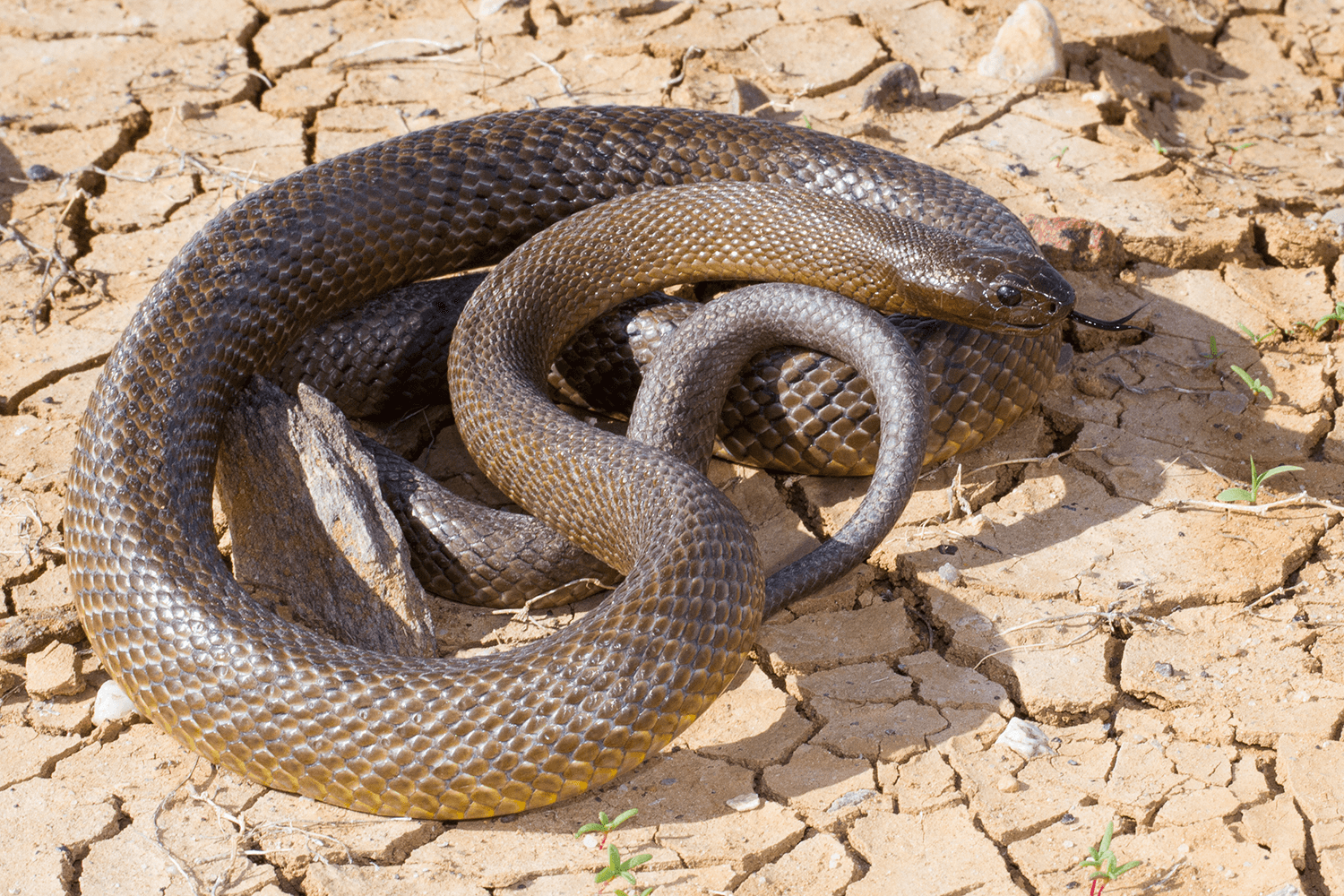
Tiger serpents (Notechis scutatus) are largely found in yellow faced whip snake southerly Australia and Tasmania. They live in different environments ranging from seaside marshes to freshwater lakes.
- Coastal Areas: Tiger snakes are often discovered near shorelines where they hunt for fish and amphibians. Wetlands: These areas give sufficient hiding places and plentiful prey. Urban Areas: As cities expand into all-natural habitats, tiger serpents may be seen venturing right into suburban gardens or parks.
1.2 Preferred Environments of Tiger Snakes
Tiger serpents choose damp atmospheres where water resources are readily offered. Their environments usually include:
- Marshes: The thick plants enables them to assail target effectively. Swamps: These areas offer shelter from killers while supplying a rich hunting ground. Riversides: Water bodies draw in many animals which serve as food sources for these snakes.
1.3 Environmental Aspects Influencing Environment Choice
Several factors influence where tiger snakes choose to reside:
- Temperature: Being ectothermic (cold-blooded), they require cozy settings for ideal task levels. Prey Schedule: High populations of frogs and tiny mammals bring in these snakes. Shelter: Thick greenery serves not just as camouflage but likewise as security against prospective threats.
2. Are Tiger Snakes Venomous? Understanding Their Venom
2.1 Make-up of Tiger Snake Venom
Yes! Tiger snakes are certainly poisonous creatures. Their venom is an intricate mixture containing neurotoxins that can trigger paralysis and coagulopathies impacting blood View website clotting mechanisms.
Key Elements of Poison:
- Neurotoxins: Affect nerve function leading to paralysis. Hemotoxins: Damages blood vessels creating interior bleeding.
Understanding these parts assists us appreciate the effectiveness of a tiger serpent bite.
2.2 Results of a Tiger Snake Attack on Humans
A bite from a tiger serpent can cause serious symptoms:
- Local Signs and symptoms: Pain, swelling, and staining at the bite site. Systemic Signs: Queasiness, throwing up, problem taking a breath as a result of paralysis or restriction of airways.
Severity Levels
Minor Bite: Local pain without systemic symptoms. Moderate Bite: Systemic signs and symptoms yet convenient with clinical care. Severe Bite: Lethal; requires prompt medical intervention.3. Determining Different Types of Tiger Snakes
3.1 Eastern vs Tasmanian Tiger Snakes
There are 2 main groups based upon geographic circulation:
Eastern Tiger Serpent (Notechis scutatus)
Found along eastern coasts approximately Queensland.
Tasmanian Tiger Serpent (Notechis scutatus)
Adapted particularly to Tasmania's special environment with somewhat differing coloration patterns.
3.2 Color Variations in Habitat Preferences
Tiger snakes display substantial shade variations depending upon their environment:
- Coastal populaces frequently present red stripes or spots for better camouflage against sandy shores.
4. Actions Patterns of Tiger Snakes
4.1 Aggressiveness Level
Tiger snakes are recognized for their aggressive habits when intimidated or cornered which can bring about defensive strikes if provoked.
4.2 Hunting Techniques
They possess impressive dexterity enabling them to strike quickly at prey such as frogs or tiny rodents mostly during twilight hours when they're most energetic-- making them nocturnal hunters!
5. Emergency Treatment for Snake Bites: Vital Steps You Have To Know
When it comes to taking care of serpent bites, understanding is vital!
5.1 Immediate Actions After a Bite
If bitten by a tiger snake:
Stay calm! Panic increases heart rate which spreads venom quicker through your bloodstream.
Apply stress around the injury utilizing clean towels-- stay clear of reducing or sucking out venom!
Remove limited clothing/jewelry near the bite website; swelling may occur rapidly.
Immobilize the impacted limb making use of splints if possible-- this limits activity assisting reduce venom spread!
5.2 Obtaining Medical Help
Seek emergency clinical assistance promptly! Time is vital when managing possible envenomation from tiger snakes!
5.3 First Aid Kit Essentials for Snake Bites
Having a fully equipped first aid King brown snake bite kit can make all the difference during emergency situations:
|Item|Description|| ------|-------------|| Pressure Plaster|Aids immobilize wound|| Sterile Gauze|For clothing wounds|| Emergency Situation Contact Info|Quick gain access to numbers|| Antivenom Information|Understanding concerning regional antivenoms|
6 FAQs About Tiger Snakes
Q1: Are all tiger snakes dangerous?
A: While all have venomous abilities impacting human beings dramatically-- most favor avoidance unless threatened!

Q2: Exactly how rapidly does tiger serpent poison affect humans?
A: Signs and symptoms might show up within minutes relying on area & & quantity infused throughout envenomation events!
Q3: Can you endure a tiger snake bite without treatment?
A: Without treatment attacks can be fatal because of fast development; immediate treatment is crucial!
Q4: What need to I do if I run into one?
A: Preserve range & & back away slowly; prevent unexpected motions that may prompt aggression!
Q5: Exactly how usual are bites from tiger snakes?
Q6: Is there a remedy available?
A: Yes! Antivenoms details for Australian species exist-- medical facilities carry these medications prepared when needed quickly post-bite incidents!
7 Conclusion
Understanding the complexities bordering "Understanding the Tiger Snake: Habitat, Poison, and First Aid Fundamentals" is critical not only for individual security but likewise fostering conjunction with these impressive creatures living in Australia's landscape! By discovering more about their actions & & reliable action methods regarding prospective encounters-- we equip ourselves better against unnecessary anxieties while appreciating nature's variety fully! So let's accept education instead are afraid-- it leads towards harmony in between humankind wild animals alike!